


What open access land actually means
In England and Wales, the Countryside and Rights of Way Act 2000 gave us a right to roam on foot over large areas of mountain, moor, heath, down and registered common land. These mapped areas — often called open access land — cover great swathes of Northern England: the high fells of the Lake District, the moorland edges of the Yorkshire Dales, the North Pennines, the North York Moors and the Bowland fells.
It is a wonderful freedom, and it is a limited one. The right applies on foot only. It does not extend to cycling, horse riding, wild camping, swimming or lighting fires. Nor does it cover every acre you might reasonably think of as "wild": woodland, farmland, reservoirs, gardens, railway land and military ranges are generally excluded, even when they sit right beside access land.
Crucially, access land is not the same as a public footpath. On a right of way you follow a defined line. On access land you may wander off-path — but you still have a duty to do so without damaging the place you have come to enjoy.
Signs, maps and the small print
Most open access land is marked at entry points with the brown-and-white open access symbol, but not every parcel is signed, and boundaries can be subtle on the ground. Carry a detailed 1:25,000 map and take a moment to identify the edge of the access area before you set off across it.
Access is not unconditional. Landowners and managers can close areas for up to 28 days a year, and longer restrictions can be put in place for conservation, public safety, fire risk or military use. Before a big day out, check with the relevant national park authority or local access authority for current closures and exclusions.
Dogs are welcome on most access land, but with rules that matter:
- Keep your dog on a lead no longer than two metres between 1 March and 31 July.
- Keep it on a lead at all times where livestock are present, and around ground-nesting birds.
- Stay on signed paths where a restriction asks you to — and always pick up after your dog, carrying the bag away with you.
Ground-nesting birds and the season of quiet
Between roughly March and July, the uplands of Northern England become a nursery. Curlew, lapwing, golden plover, merlin and ring ouzel all nest on the ground, often in places that look like nothing more than a patch of heather or a tussock of grass.
A single straying boot or an inquisitive dog can end a breeding attempt that took weeks to reach. The signals are easy to read once you know them:
- If a bird flushes and starts circling or calling, you are close to a nest or chicks. Stop, back away the way you came, and give it room.
- Where birds are displaying or alarm-calling, keep to the main trod rather than striking out across open ground.
- Keep binoculars handy and enjoy the spectacle from a distance — it is one of the great privileges of walking these hills in spring.
Tread lightly on fragile ground
Blanket bog, peat hags, limestone pavement and lichen-rich heath are slow to form and quick to scar. Peat can take centuries to recover from a few careless footprints, and a widened path through erosion is very hard to undo.
- Use the stone trods and flagstones laid across peat and boggy ground rather than skirting around them.
- Walk through a puddle or a muddy patch, not around it — that is how paths become gullies.
- Never light fires or use disposable barbecues on access land. In a dry spell, a single spark can set moorland alight and destroy habitat for years.
- Take everything home with you, including fruit peel, and never leave dog waste bags hanging in a tree.
Livestock, gates and the etiquette of shared ground
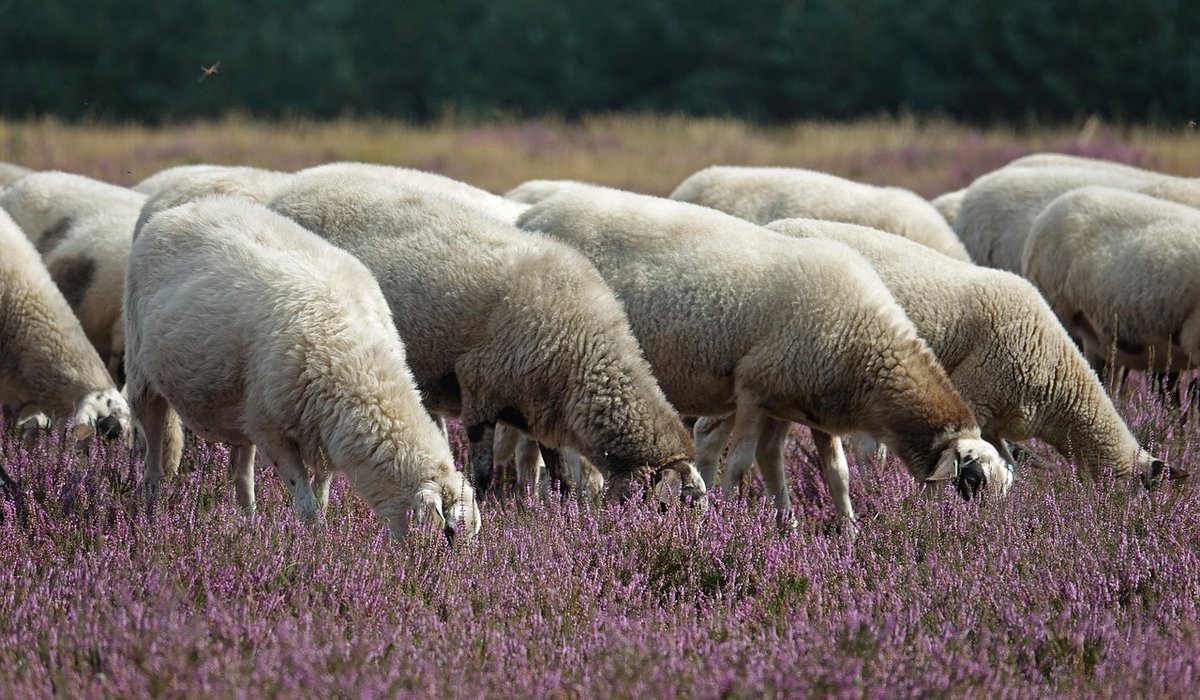
Almost all open access land in the north is grazed, and the grazing is what keeps the habitat as it is. Sheep, cattle and fell ponies are working animals, not scenery.
Give cattle plenty of room, especially cows with calves. Move quietly and calmly, avoid walking between a cow and her calf, and if you have a dog, put it on the lead and be prepared to let it go and walk away if you are threatened. Close every gate behind you, use the latch properly, and use stiles or gaps rather than climbing walls and fences.
On managed grouse moor, shooting takes place from around 12 August into the autumn. Access is rarely closed for it, but keeping to paths and keeping dogs close is simple courtesy that keeps everyone on good terms.
Planning a walk that gives something back
The freedom to roam rests on trust between those who own the land and those who walk it. A little preparation protects that trust and makes for a far better day out.
- Check the forecast and any access restrictions before you leave, and tell someone where you are going and when you expect to be back.
- Carry a paper map and compass alongside your phone, plus waterproofs, spare layers, food and a headtorch — northern weather turns quickly.
- Start early. Hills are quieter, cooler and more alive with wildlife in the first hours of the day.
- If you spot a problem — a damaged stile, fly-tipping, an illegal off-road vehicle, a fire risk or an injured animal — report it to the landowner or the local access authority.
Walk gently, read the ground and the signs around you, and the open access land of Northern England will reward you with some of the finest, wildest walking in the country — season after season.


Leave a reply