


A Small Structure with a Big Job
Stone stiles are one of the quiet pleasures of walking in the north of England. You meet them on the limestone terraces above Malham, along the gritstone edges of the Peak District, on the old packhorse tracks of the Eden Valley and on the long flanks of the Cheviots. They are also one of the most quietly abused pieces of countryside furniture we have.
A stile is a legal gap in a boundary that lets walkers through without letting sheep or cattle out. Keeping it in working order depends on a long chain of people doing the right thing: the farmer who repairs the wall, the waller who rebuilds it after a hard winter, and the walker who remembers that a dry stone wall is a piece of skilled work, not a fence post to be vaulted.
Crossing a Stone Stile Safely
Most northern stiles fall into a few familiar types, and each has its own technique.
- Step stiles: put the ball of your foot on the centre of each stone tread, not the edge. Stand upright and swing the trailing leg over. The coping stones along the top of the wall are often loose or frost-lifted, so don't lean your weight on them or haul yourself up by them.
- Squeeze stiles: turn sideways, take your pack off first if it is bulky, and pass it through by hand rather than dragging it against the stone. Move slowly; the gap is usually narrower at the bottom than it looks.
- Ladder stiles: face the ladder, keep three points of contact, and place your feet on the rungs rather than the side rails. Descend facing the ladder, not away from it, especially when the ground below is wet or sloping.
- Wall-end gaps and gaps beside gates: use the gap as it is. Don't step onto the wall end to steady yourself; that is exactly where a wall starts to unravel.
Take your time in wet weather. Muddy boots on smooth limestone are a genuine hazard, and a slip onto a stone step is a long way to limp back to the car.
Leave Gates As You Find Them
This is the oldest rule in the book and still the one most often broken. The principle is simple: a gate that is closed stays closed, and a gate that is open stays open. Farmers use gates deliberately, and an open gate may be exactly what is intended for moving stock between fields on that particular day.
- Closed gates: close them behind you, and check the latch has actually caught. A gate that looks shut but is resting on the post is an open gate.
- Open gates: leave them open, even if it feels untidy. Shutting a gate that was deliberately left open can cut stock off from water or move them onto the wrong pasture.
- Tied or wired gates: if a gate on a public right of way is tied shut, there is usually a stile, gap or alternative route beside it. Use that rather than untying the knot. If the path is genuinely blocked, note the grid reference and report it to the local highway authority or national park office when you get home.
- Kissing gates and self-closing gates: push through and let them swing shut behind you, then check they have.
Hands Off the Dry Stone Walls
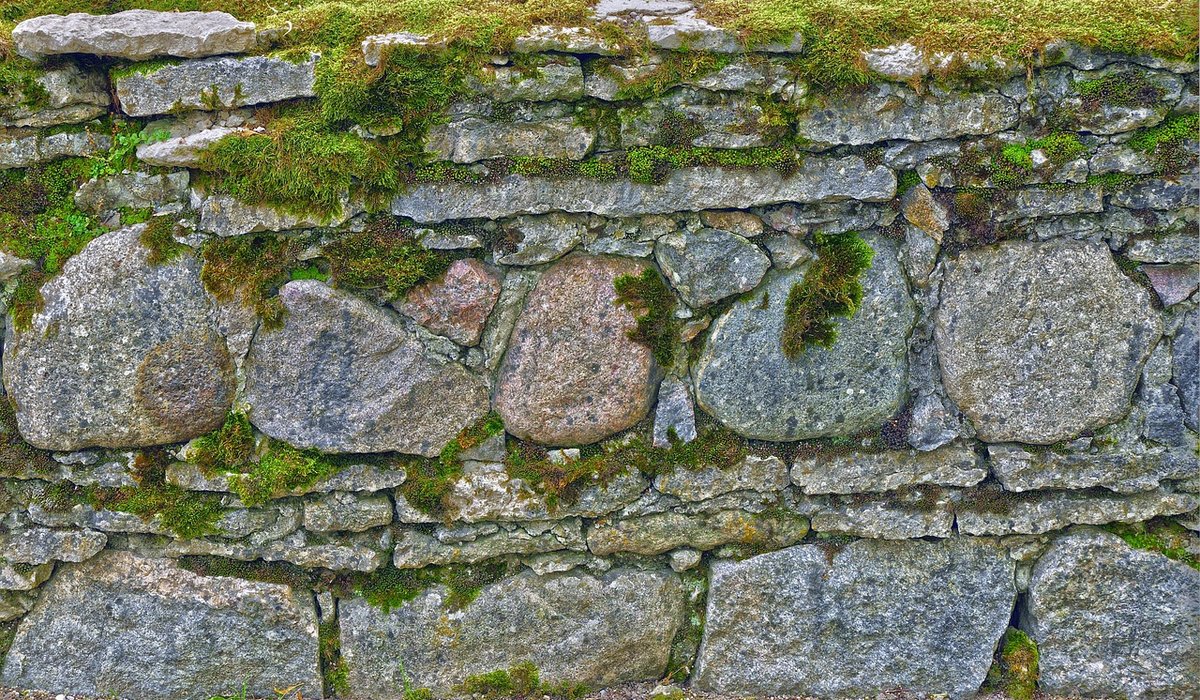
Climbing over a wall is the single most damaging thing a walker can do in the uplands. Dry stone walls hold together by gravity, friction and the waller's skill, with no mortar anywhere. Take one stone out of the middle and the stones above it begin to shift; the wall then sags, gaps, and eventually needs rebuilding at considerable cost.
- Never climb over, sit on or straddle a wall, even briefly and even for a photograph.
- Don't widen a gap, prise out a stone to make a squeeze easier, or build a makeshift step.
- Don't rest a heavy rucksack on the coping stones or lean against the top of a wall while you eat your sandwiches.
- If a wall beside a right of way has collapsed, step carefully through the fallen stone rather than walking on it, and report the damage when you can.
Dogs, Rucksacks and Awkward Moments
Stiles and dogs are rarely a happy combination. Lift smaller dogs over rather than encouraging them to scramble, and send larger dogs through a squeeze stile on a lead, keeping the lead slack so they don't fight the gap. On open access land, and anywhere near livestock or ground-nesting birds, keep dogs on a short lead and under close control. A dog that scrambles over a wall on its own can scatter sheep and loosen stones at the same time.
Rucksacks deserve a thought too. Take them off for squeeze stiles and ladder stiles, and carry them low and close rather than swinging them across a wall top.
Small Habits, Long-Lived Walls
The stiles and walls of northern England have survived two centuries of weather partly because generations of walkers have treated them with a bit of care. You can add to that. Step aside to let others cross a stile first, particularly on a narrow path where someone is already halfway through. Stay on the path where erosion is bad, rather than widening the mud alongside it. Close the gate behind you even if you found it closed and someone is following.
None of this is complicated, and none of it takes more than a few seconds. Do it well and the next walker finds a stile that still works, a wall that still stands, and a field with exactly the number of sheep in it that the farmer expected. That is a decent legacy for a Sunday afternoon.


Leave a reply