


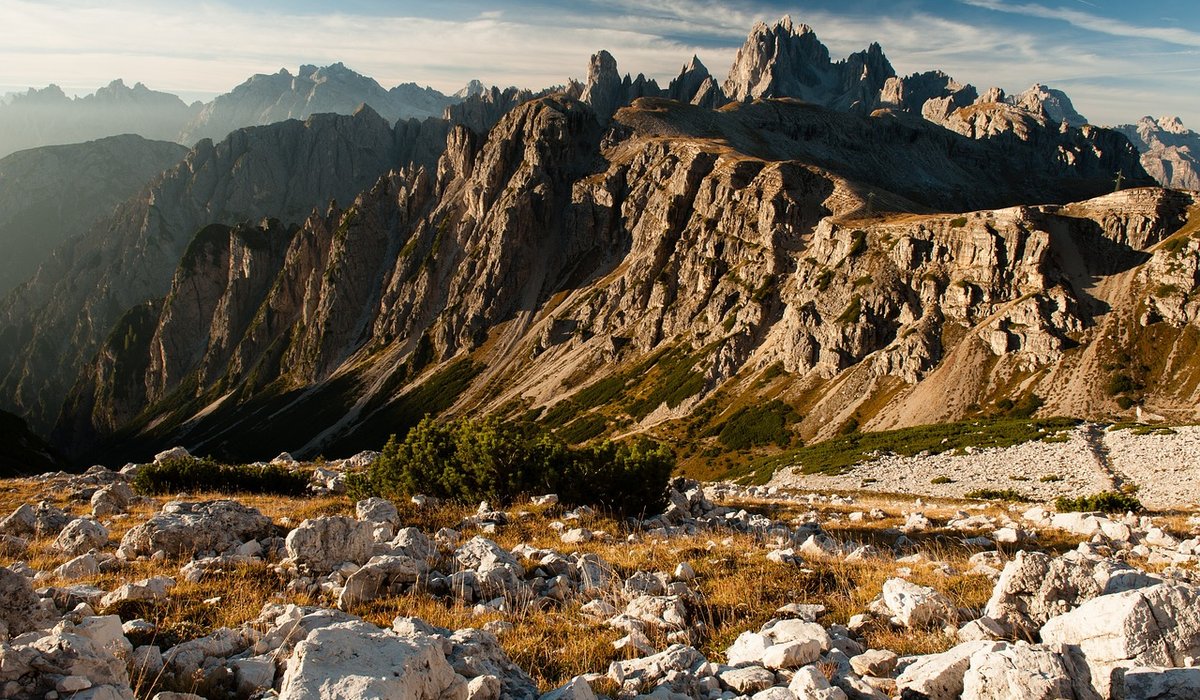
There is a particular kind of quiet on a northern hillside half an hour before sunrise. The air is cold and still, the valleys hold a thin band of mist, and the only sound is your own breathing and the crunch of boots on frosty grass. Photographers chase that light for good reason, but the difference between a magical morning and a muddy trudge with nothing to show for it usually comes down to planning. Here is how to stack the odds in your favour.
Start With the Sunrise Time, Not the Alarm
In northern England, sunrise moves a long way across the year. In late June, first light can arrive before 4.30am, while in mid-December you may not see the sun clear the horizon until after 8.20am. That is a four-hour swing, so check the exact time for your date and location rather than relying on memory or a rough guess.
Aim to be at your viewpoint 45 to 60 minutes before sunrise. The blue hour, that deep, saturated twilight before the sun appears, is often more atmospheric than the sunrise itself, and arriving early gives you time to walk in, set up and settle without rushing.
Weather matters just as much as timing. The most rewarding conditions are often:
- Broken high cloud — enough to catch colour, not enough to smother the horizon.
- Clear, still nights in autumn — these produce valley mist and frost, which glow beautifully at first light.
- A light breeze after rain — clearing fronts often leave dramatic skies and clean, sharp air.
Flat, featureless grey cloud is the one forecast worth cancelling for. Save your early alarm for another day.
Choose a Viewpoint That Faces the Light
East-facing is the starting point, but the sun does not rise due east all year. In June it climbs out of the north-east; by December it appears in the south-east. Check the compass bearing for your date, then look at a map and ask a simple question: from this spot, will the sun actually clear the ridge in front of me, or will it sit behind a hill for another forty minutes?
Good northern options tend to share a few qualities:
- An open eastern horizon over water, moorland or a valley mouth, so the light has room to build.
- Something to catch the light — a tarn, a limestone pavement, a lone tree, a drystone wall, a ruined barn.
- Layered foreground — ridges receding into the distance give mist something to sit in.
- A safe, straightforward approach in the dark, ideally on a path you already know.
Ridge lines, reservoir edges, coastal bays and the heads of dales all work well. If you can, recce the spot in daylight first and note where the sun will appear in relation to the landscape.
Carry a Tripod — and Use It Properly
Before sunrise, light levels are low enough that hand-holding will cost you sharpness. A tripod is not optional kit on a dawn walk; it is the difference between a clean image and a smeared one.
- Choose a sturdy tripod rather than the lightest one you own. Exposed fells and coastal edges are windy, and a flimsy set of legs will vibrate.
- Hang your rucksack from the hook underneath for extra stability, but keep it off the ground if it is wet.
- Use a cable release or the two-second timer, and enable mirror lock-up if your camera has it.
- A sensible starting exposure is ISO 100, f/11, then adjust the shutter speed to suit. Bracket your shots to protect highlights and shadow detail.
Pack a head torch with spare batteries, gloves you can operate dials in, and a lens cloth — condensation and drizzle are constant companions at dawn.
Walk In Safely Before First Light
Most of the walk happens in the dark, so treat it as a proper navigation exercise rather than a stroll.
- Download an offline map of the area and carry a paper map and compass as backup.
- Allow extra time — rough ground, bogs and stiles all slow you down when you cannot see them.
- Tell someone your route and expected return time, and check in when you are back at the car.
- Park considerately, leaving gateways and passing places clear for farm vehicles.
- Stick to rights of way and marked paths, close gates behind you, and keep dogs on a lead around livestock.
Where to Look in the North
The Lake District fells offer high viewpoints over mist-filled valleys, though the walk in can be steep. The Northumberland coast gives you wide eastern horizons and rock pools for foreground interest. The Yorkshire Dales and the Peak District edges reward early starts with limestone scars, dew-soaked meadows and long, layered views. Wherever you go, pick somewhere with a modest approach rather than a full mountain day, at least for your first few attempts.
Keep Shooting After the Sun Appears
The moment the sun breaks the horizon is not the finish line. Often the best light arrives ten to thirty minutes later, as it rakes low across the land and picks out texture in walls, grass and water. Turn around, too: the slopes behind you are now lit while your original view is backlit and flat.
Look for details as the mist lifts — frost on a gate, spiders' webs, reflections in a puddle, a shepherd's track catching the light. A flask of tea and something to eat makes the wait comfortable, and a slow, unhurried walk back in full daylight is one of the great pleasures of a northern morning. Plan well, pack the tripod, and the landscape will do the rest.


Leave a reply